
Label knowledge
Learn labels from the people who make them
Thirty years of production experience, written down — printing processes, materials, adhesives, artwork prep, and how to buy labels smarter.
What Is Flexographic Printing? The Process Behind Most Labels on the Shelf
Flexo prints the majority of pressure-sensitive labels in North America. Here's how the process works, why it wins at volume, and what plates actually pay for.
Read the guide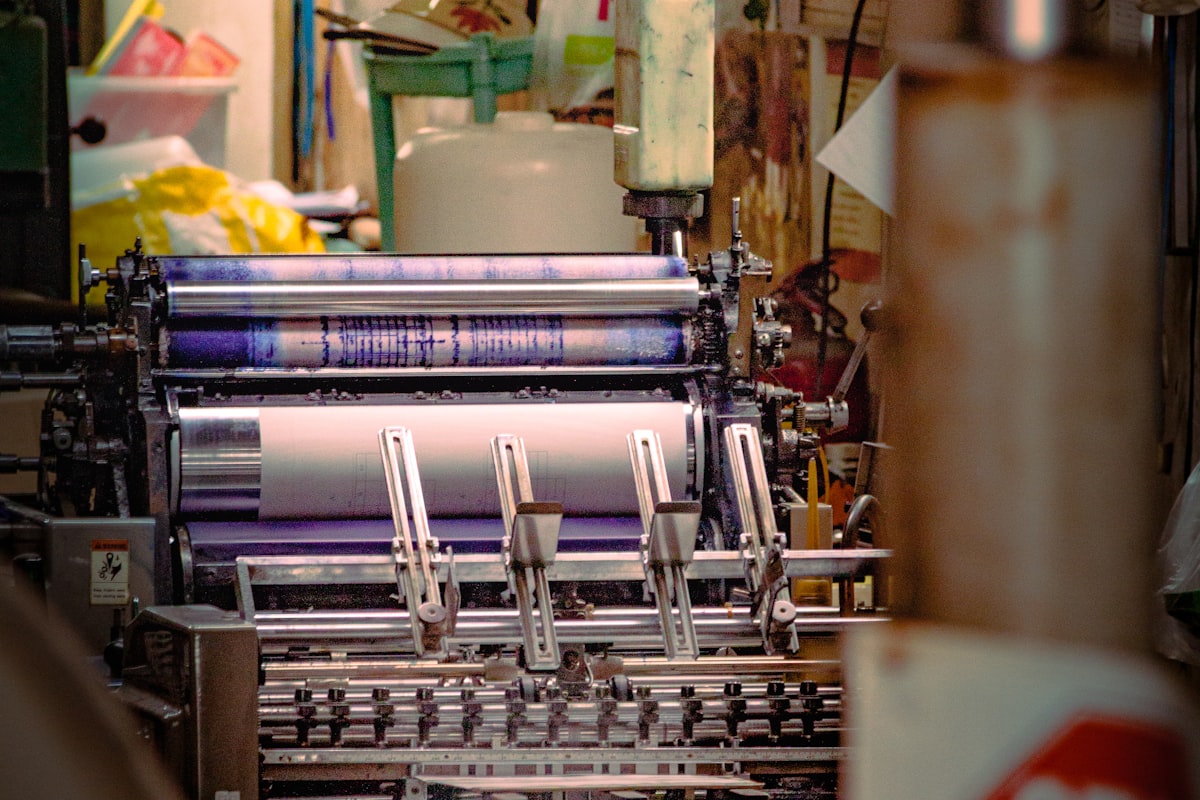
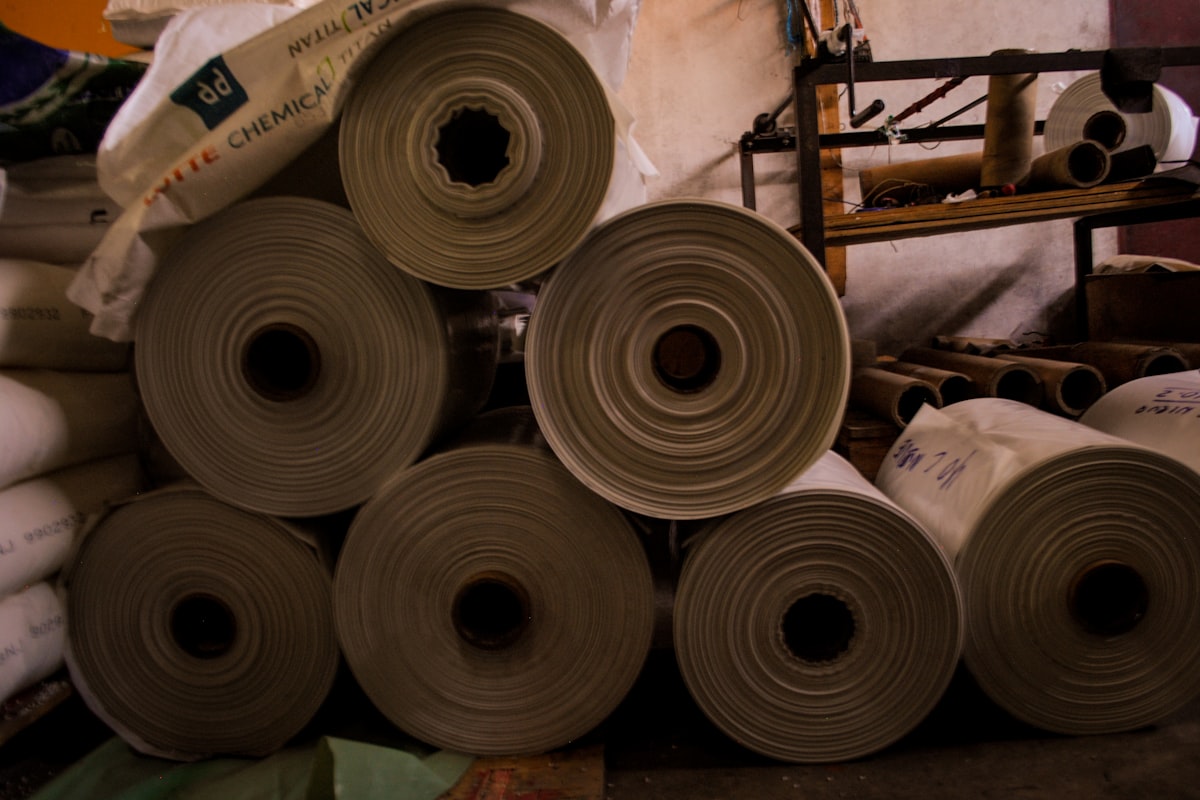
Paper vs. Film Labels: How to Choose the Right Facestock
Semi-gloss paper, white BOPP, clear BOPP, PET — the facestock decision drives cost, durability, and shelf look. A practical guide to choosing.
Read more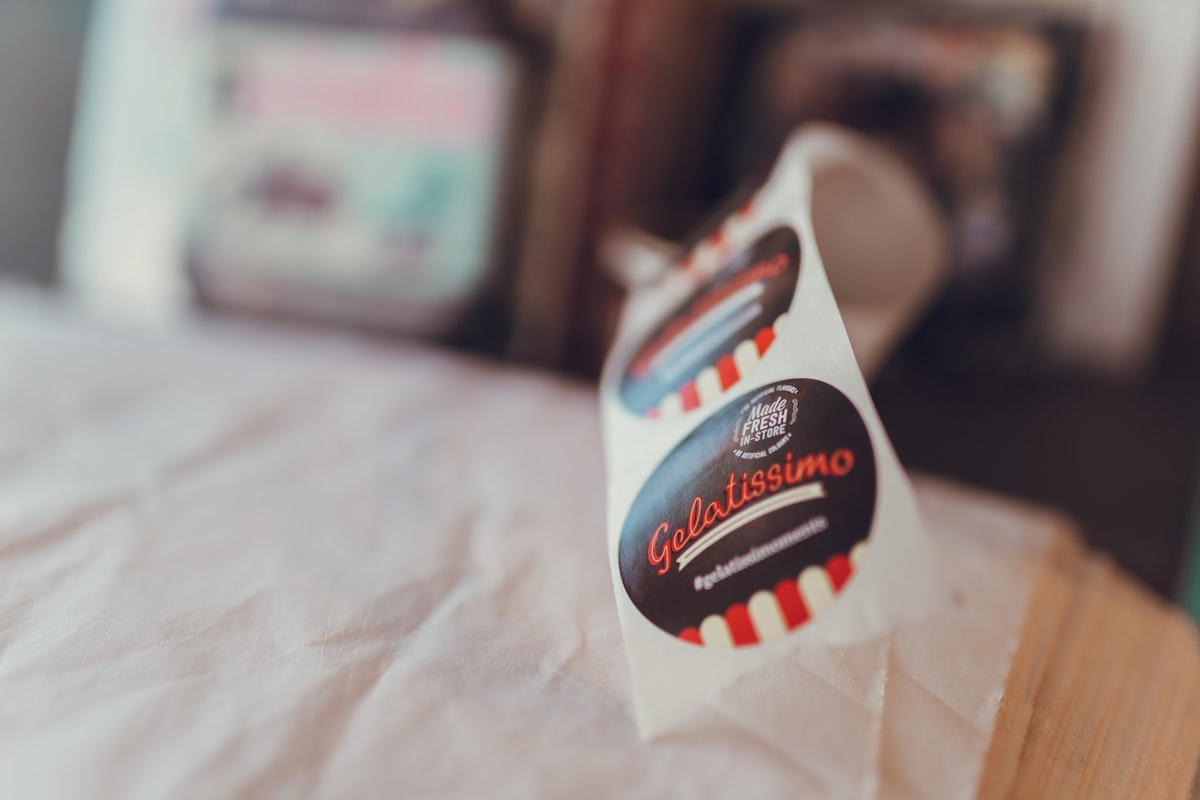
Label Adhesives Explained: Permanent, Removable, Freezer, and All-Temp
The adhesive is invisible until it fails. What each adhesive class actually does, and how surface and temperature decide the right one.
Read more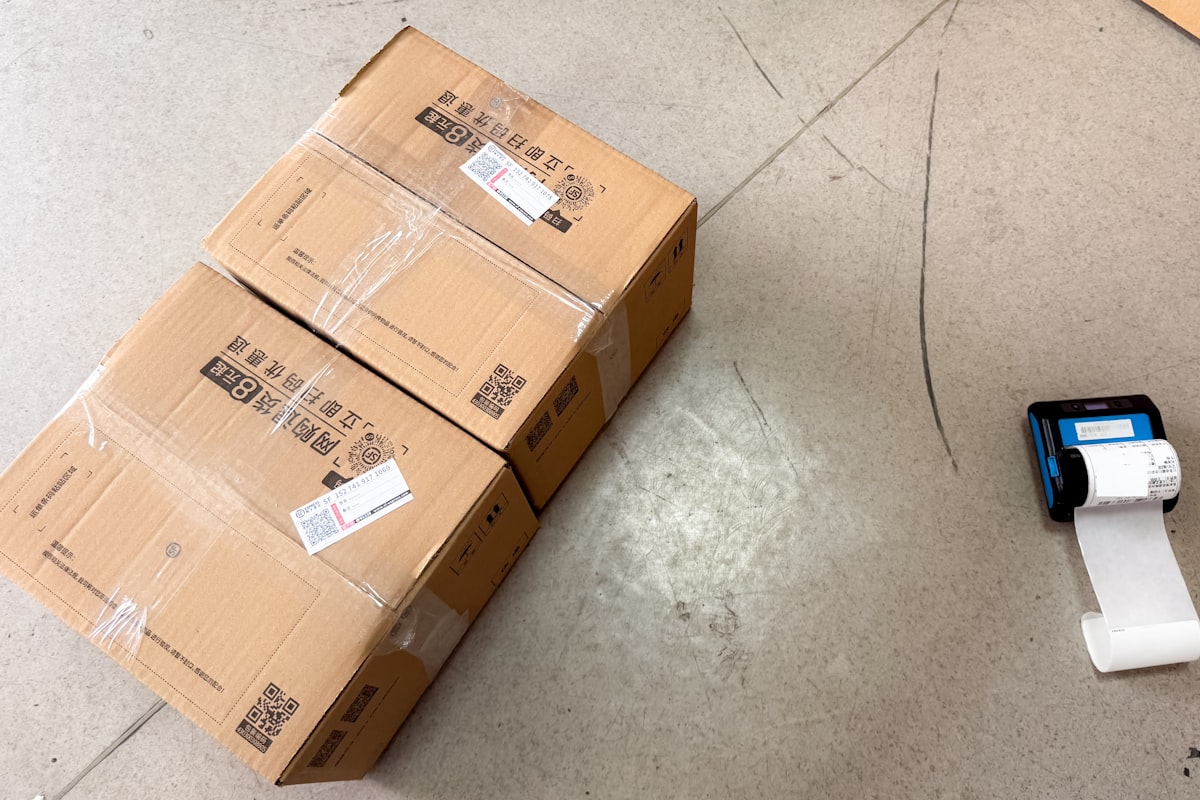
Direct Thermal vs. Thermal Transfer: Which Labels for Your Printers?
Both run through the same printers — but one needs a ribbon and lasts for years, while the other fades in months. How to pick, and how to pair ribbons correctly.
Read more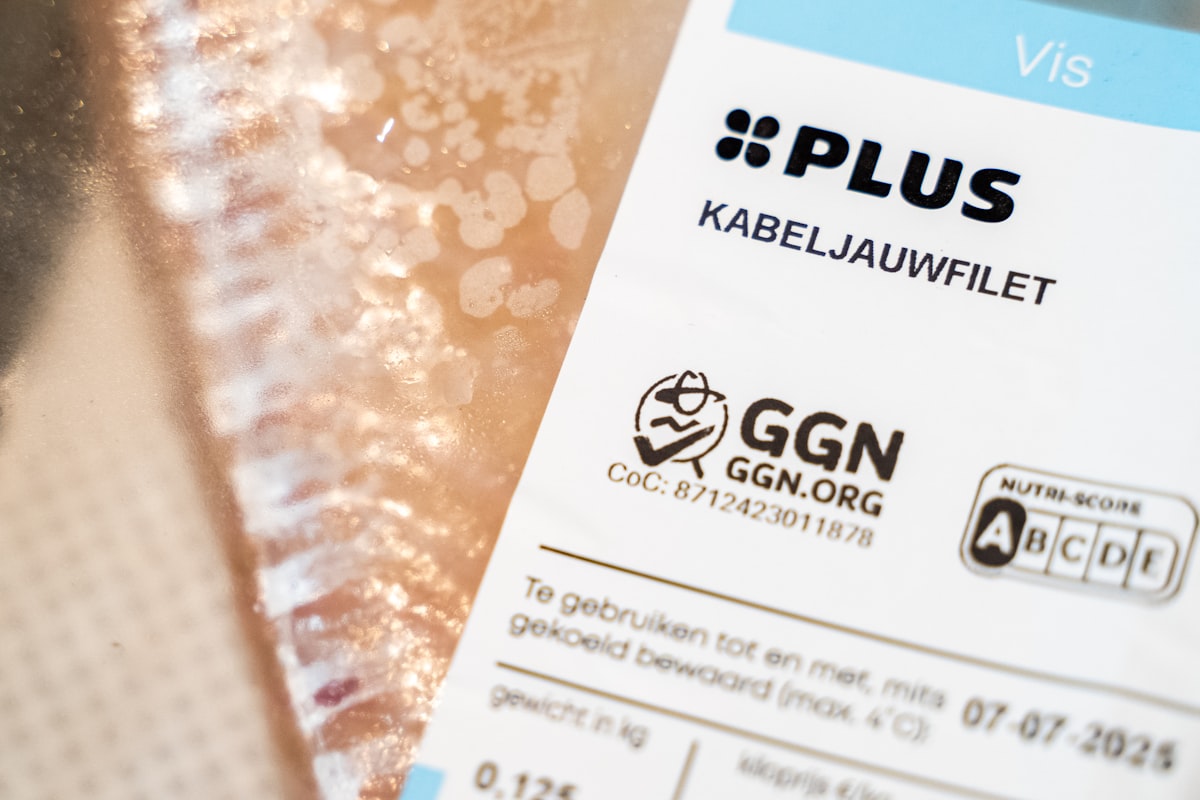
FDA Direct Food-Contact Labels: What They Are and When You Need Them
The sticker on an apple touches your food — so the material and adhesive have to be approved for it. What direct food contact means in practice for produce and food brands.
Read more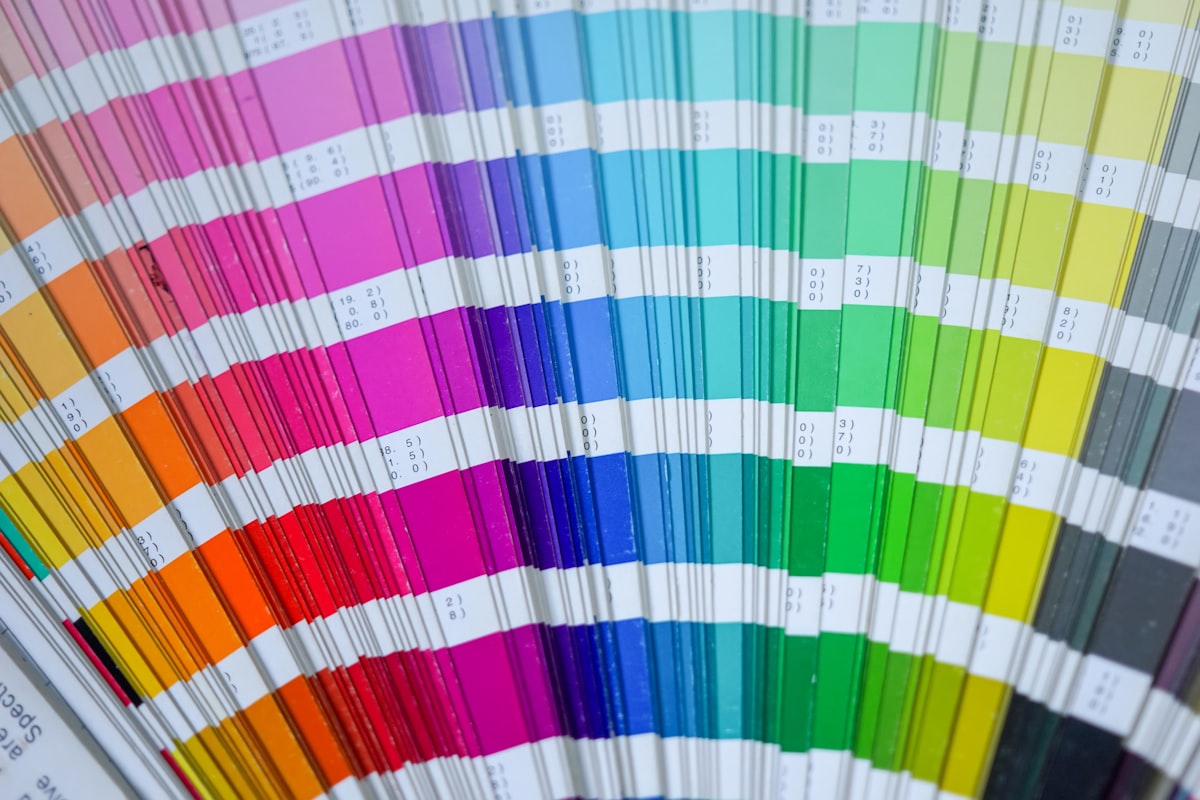
Preparing Label Artwork for Print: A Prepress Checklist
Bleed, dielines, spot colors, barcode sizing, and the file formats that keep your label sharp — everything to check before you send art to your label printer.
Read more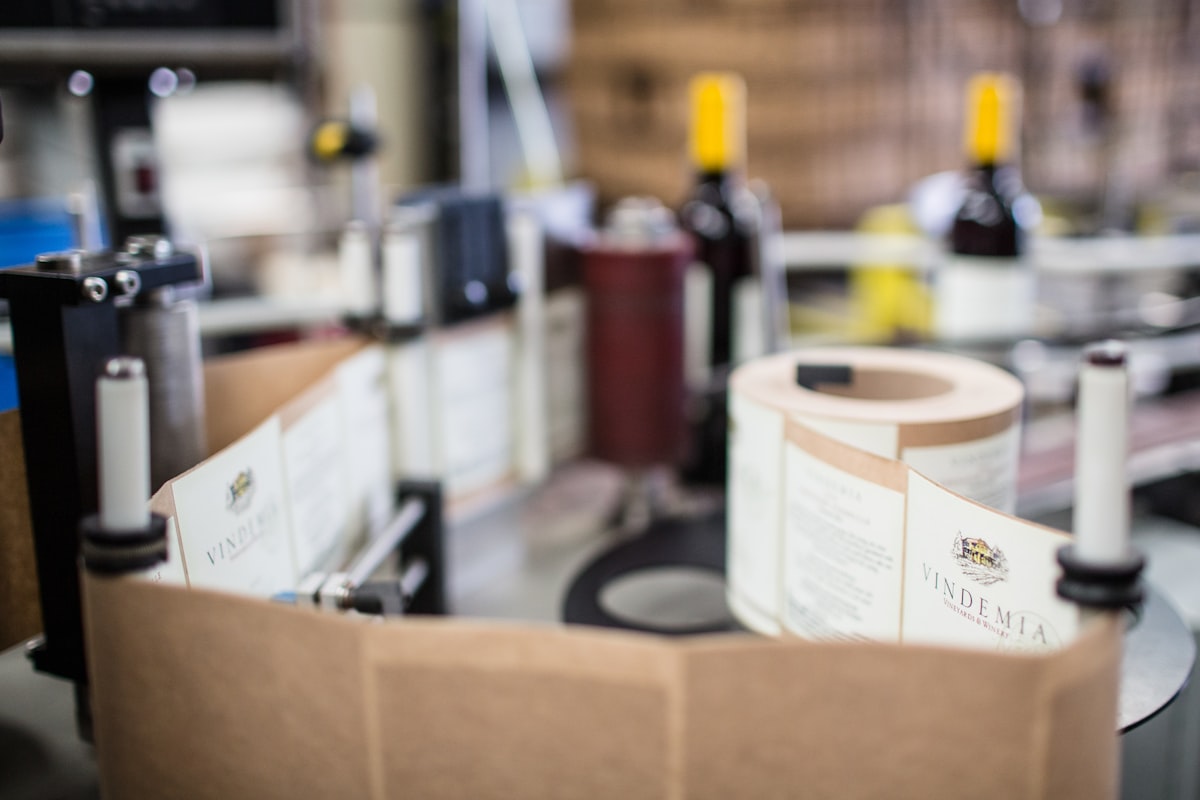
How Label Quotes Work: Why Quantity, Colors, and Size Drive Your Price
Label pricing looks opaque until you see the structure: fixed setup costs, material area, and volume breaks. How to read a quote — and lower it.
Read more
Labels That Survive the Cold Chain: Refrigerated and Frozen Products
Condensation, frost, and near-freezing application temperatures kill standard labels. The construction that works — facestock, adhesive, and finish as a system.
Read more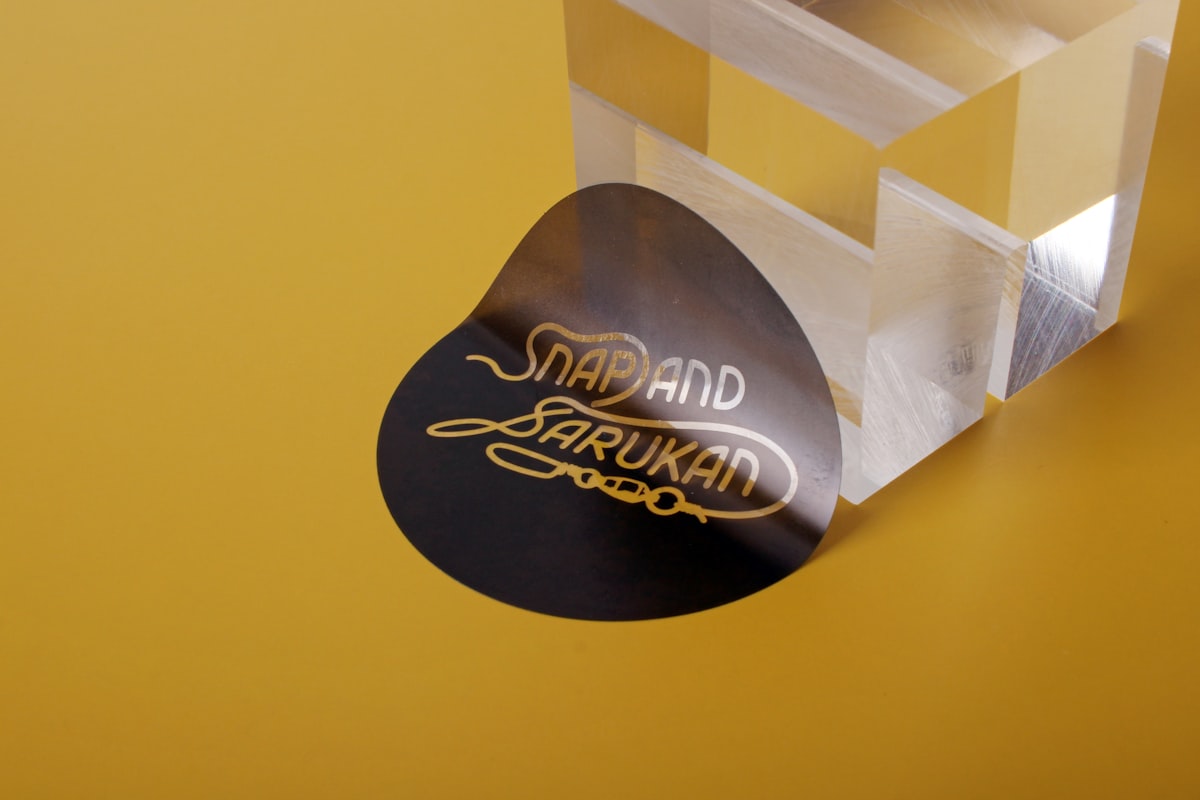
UV Varnish vs. Lamination: Which Label Finish Do You Actually Need?
Both protect your print and change how the label looks and feels — but one is a thin coating and the other is a second film layer. When each finish is worth the cost.
Read more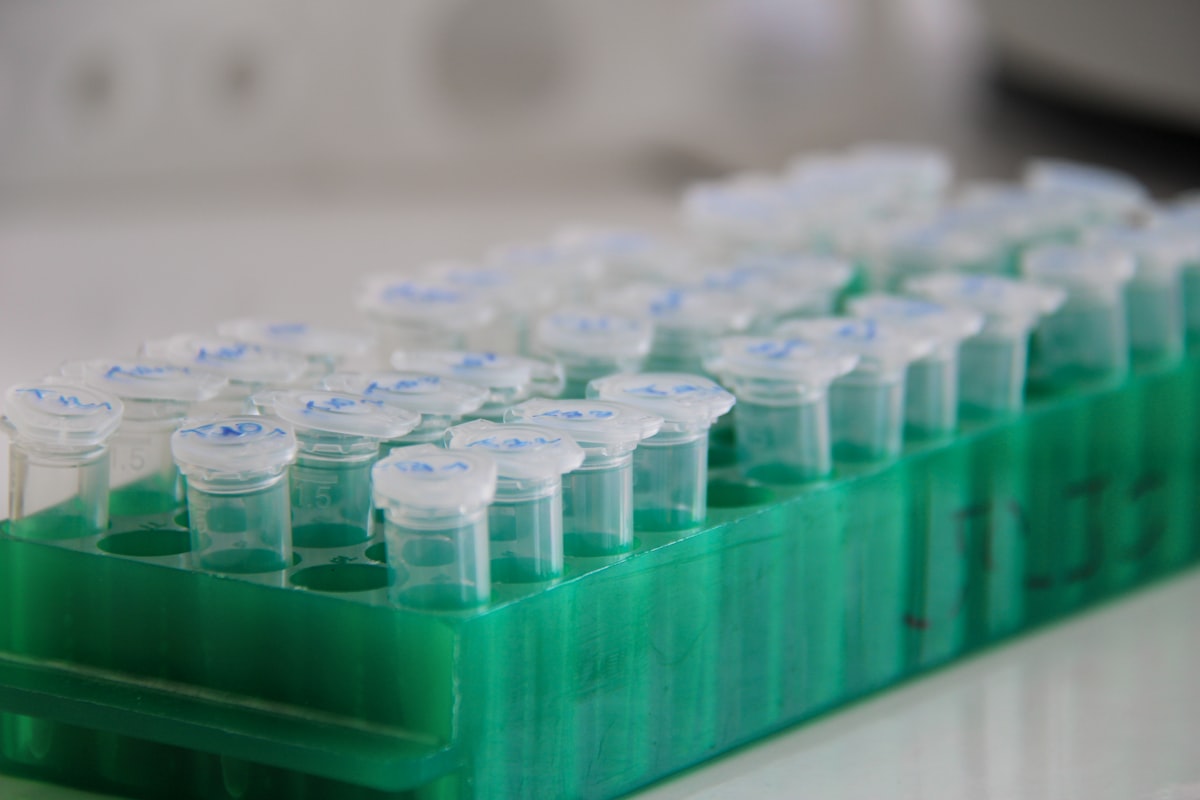
Choosing Thermal Label Stock for Clinical Environments
Alcohol wipes, refrigeration, condensation, and years in an archive freezer break ordinary label stock. How hospitals, labs, and pharmacies should spec thermal labels — and exactly what to send a supplier.
Read moreCustom Produce Labels: PLU Stickers, Clamshell Lids and Bag Labels
Produce is the hardest surface in food labelling — wet, cold, irregular and often eaten with the label still on. What actually works on fruit, clamshells and bags.
Read moreLabels on a Roll: Pressure-Sensitive vs. Roll-Fed Explained
"Roll-fed" and "labels on a roll" sound like the same thing and are not. One is a self-adhesive label on a liner; the other is cut film applied with glue.
Read moreWhat Is Facestock? The Three Layers of a Pressure-Sensitive Label
Facestock, adhesive, liner. Almost every label problem — curling, lifting, cracking, poor print — traces back to one of those three layers being wrong for the job.
Read moreQuestions your product is asking?
Configure your label in our quoting tool for an instant estimate, or talk to a specialist about materials and adhesives — English or Spanish.